

For generations, sending a postcard was one of the most popular ways to share a moment from somewhere far away. A carefully chosen picture, a few handwritten sentences and a stamp were enough to let someone know you were thinking of them. Today, most of us reach for our smartphones instead. We send photos instantly, share videos in family group chats and give loved ones a glimpse into our daily lives in real time. The postcard has not disappeared completely, but the way we share memories and stay connected has changed dramatically.
From One Postcard To Hundreds Of Photos
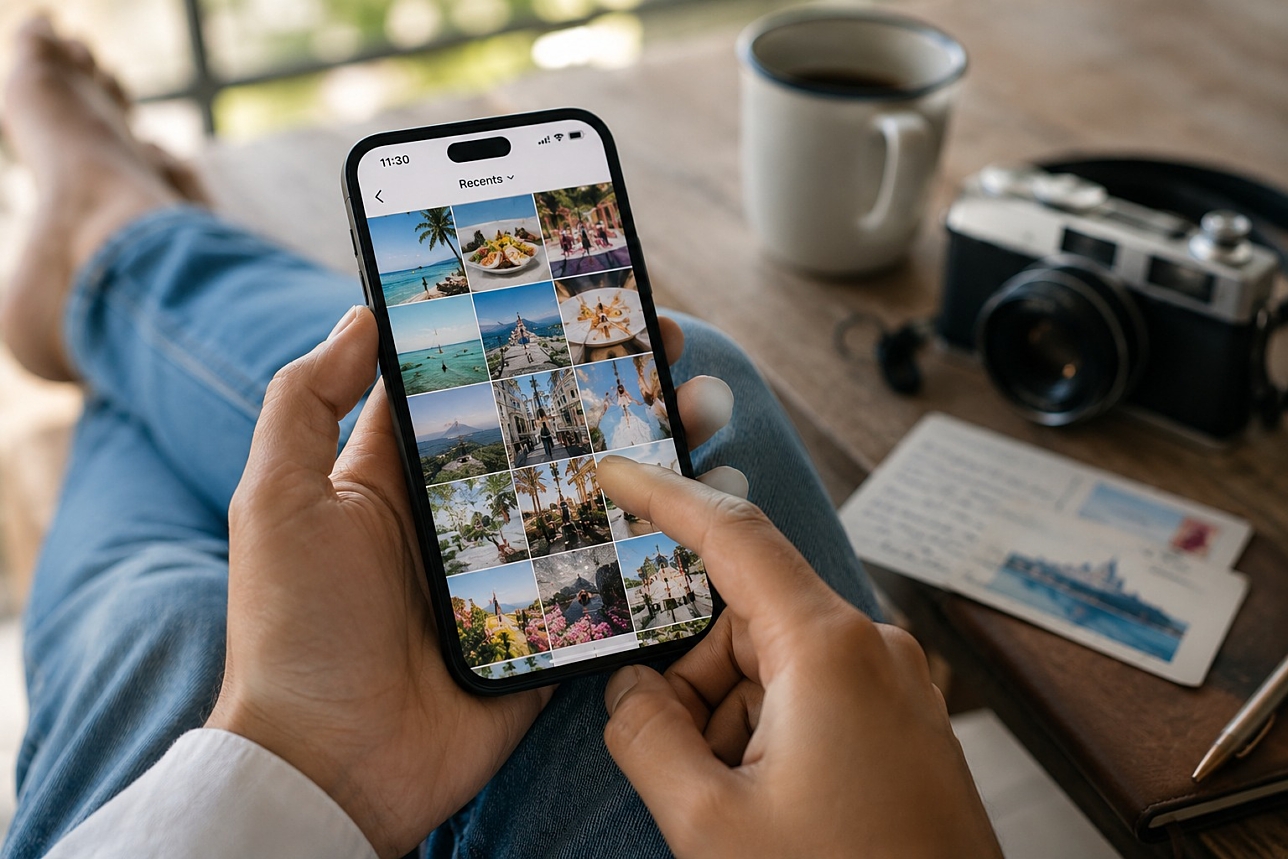
A postcard offered a single snapshot of a place. Today, smartphones allow us to document an entire experience. A morning coffee, a beautiful view, a funny street sign or a family dinner can all be photographed and shared within seconds. Instead of waiting days or weeks for a postcard to arrive, friends and family can follow moments almost as they happen. This change has made photo sharing part of everyday communication. Photos are no longer reserved for special occasions or holidays. We send pictures of pets, meals, new outfits, children, sunsets and ordinary moments that would never have appeared on a traditional postcard.
Photos Have Become Their Own Language
Sometimes a photo says everything without needing an explanation. A picture of a beautiful view can mean “I wish you were here”, while a photo of a home-cooked meal might simply mean “look what I made”. Smartphones have turned images into a natural part of conversation. This is especially visible in messaging apps like WhatsApp and family group chats, where photos are mixed naturally with text messages, voice notes and videos. A conversation can continue throughout the day without anyone needing to make a formal phone call.
Sharing Everyday Life With Family Abroad
For families living in different countries, instant photo sharing can make distance feel smaller. Grandparents can see children growing up through regular photos, siblings can share everyday updates and parents can follow important moments even when they live thousands of kilometers away. In the past, families might have waited for printed photographs, letters or occasional visits. Today, a picture taken on a smartphone can reach another continent within seconds. These small exchanges help people remain part of each other's everyday lives, not just the biggest milestones.
Why Instant Sharing Feels Different
Part of the charm of a postcard was the waiting. Someone chose it, wrote a message and sent it on a journey that might take days or even weeks. Digital photo sharing offers something completely different: immediacy. When something funny, beautiful or unexpected happens, people can share it while the moment is still happening. The recipient can react immediately, ask questions or send something back. What was once one-way communication has become an ongoing conversation.
The Rise Of The Family Photo Stream
Many families now create an informal digital record of their lives without even realizing it. Group chats fill with birthday photos, screenshots, holiday pictures, childhood memories and spontaneous moments from everyday life. Cloud-based services like Google Photos and iCloud Photos also make it easier to store, organize and revisit years of digital memories. Over time, these collections and conversations become a kind of family archive. Scrolling back through old messages or photo libraries can reveal years of small moments that might otherwise have been forgotten. While a box of postcards tells one kind of story, a digital collection of shared photos tells another.
Smartphones Made Everyone A Photographer
Photography was once something people planned for. Cameras were taken on holidays, film had a limited number of exposures and developing photos took time. Smartphones changed that completely. Because a camera is almost always within reach, people photograph moments they would never have documented before. This has changed not only how many photos we take, but also what we consider worth remembering. An ordinary Tuesday afternoon can now become part of a family's shared history.
Connectivity Makes Instant Sharing Possible
The ability to take a photo is only one part of the story. Sharing it instantly depends on mobile connectivity. Photos, videos and messaging apps require access to mobile data or Wi-Fi, especially when people are communicating across cities, countries and continents. For people using prepaid mobile services, running out of mobile data or credit can suddenly interrupt these everyday exchanges. Apps like Mitti make it possible to send international mobile top-ups directly to a phone number, helping friends and family restore access to mobile credit or data and continue sharing the moments that matter.
Are Postcards Disappearing?
Not completely. In fact, part of the reason postcards still feel special is that they are no longer the fastest or easiest way to communicate. Receiving a handwritten card can feel thoughtful precisely because someone took the time to choose, write and send it. Digital photos and postcards serve different purposes. One captures the immediacy of everyday life, while the other becomes a physical keepsake. Many people still enjoy both, sending hundreds of photos from their phones while occasionally mailing a postcard from somewhere special.
The Rise Of Digital Postcards
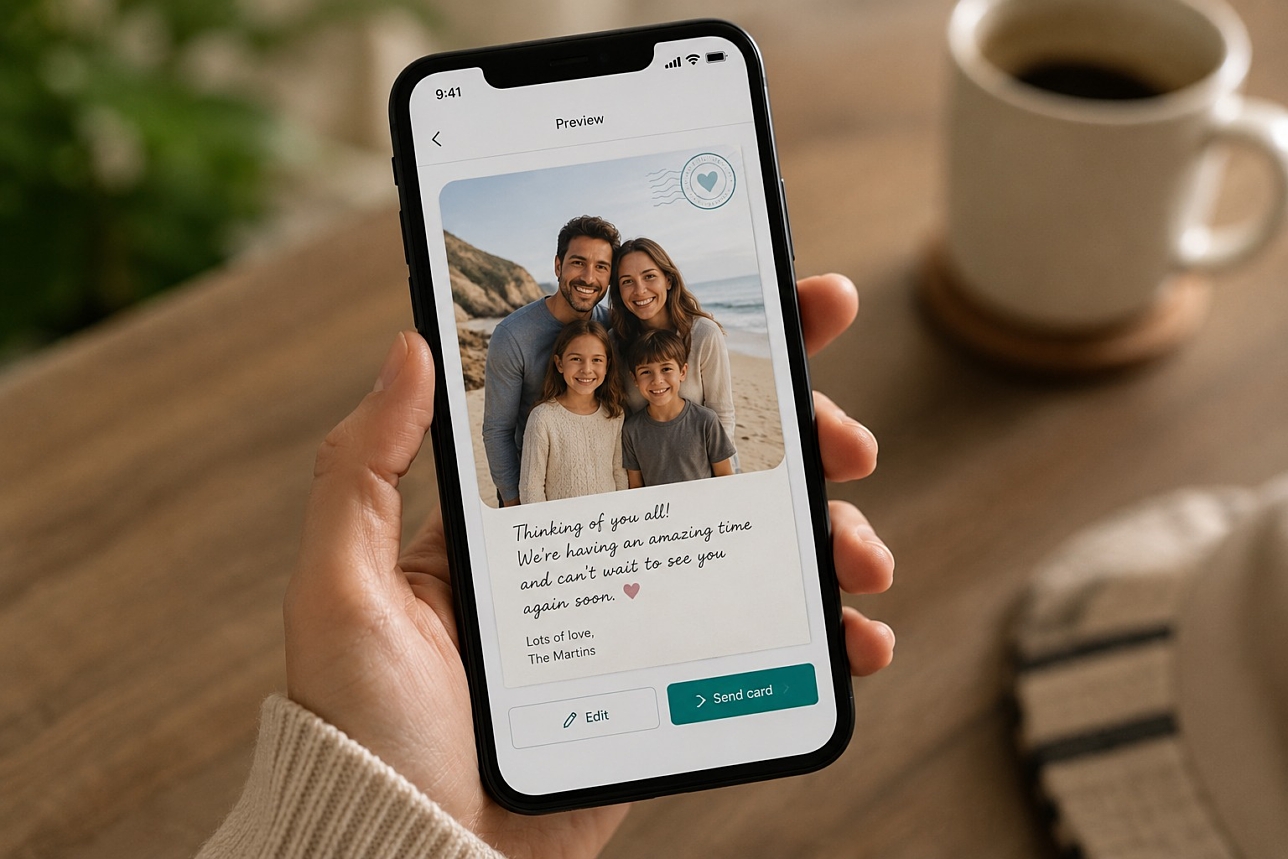
Traditional postcards may no longer be the default way to share moments from far away, but the idea behind them has found a new digital form. Digital postcard apps and services like TouchNote allow people to turn personal photos into postcards and greeting cards that can be created online and delivered directly to friends and family. At the same time, social media posts, photo collages and carefully selected holiday pictures often serve a similar purpose: sharing a snapshot of a place while letting someone know they are being thought of. The format may have changed, but the sentiment remains surprisingly familiar. Whether it arrives through the letterbox or appears on a phone screen, the message is often still the same: this made me think of you.
Sharing Moments Has Never Been Easier
The transition from postcards to instant photo sharing says something bigger about the way communication has changed. We no longer only share highlights after an experience is over. We invite people into moments while they are happening. A photo sent from a smartphone may seem small, but it can make someone far away feel included in everyday life. Whether it is a picture from a holiday, a child's first day at school or simply a beautiful sunset on the way home, these images help people share experiences across distance. The postcard may have lost its role as our main window into life somewhere else, but the desire behind it has never disappeared. We still want to say the same thing: look where I am, look what I saw and I thought of you.