

Typing is no longer the default way people communicate on their phones. Around the world, voice notes have become a natural part of everyday conversations, allowing people to share stories, explain ideas and stay close without needing to make a phone call. From quick updates between friends to long messages sent across countries and time zones, voice messaging combines the convenience of texting with the personality of hearing someone's voice. But why have voice notes become so popular, and what do they reveal about the way mobile communication is changing?
More Personal Than A Text Message
A text message can share information, but a voice note can communicate much more. Tone, laughter, hesitation and emotion are all part of the message. Hearing someone's voice can make an everyday update feel more personal, especially for friends and family who live far apart. A simple story about someone's day suddenly feels more like a real conversation than a series of short messages on a screen.
Convenient Without The Pressure Of A Phone Call
Voice notes occupy a unique space between texting and calling. A phone call requires both people to be available at the same moment, while a voice message can be recorded whenever it is convenient and listened to later. This makes voice notes particularly useful for busy schedules, different routines and conversations across time zones. People can speak freely without checking whether the other person is available to answer.
Sometimes Speaking Is Simply Easier Than Typing
Long stories are often difficult to fit into a text message. Explaining a situation, sharing news or describing something that happened can require several paragraphs of typing. Recording a voice note can take a fraction of the time and allows people to express themselves more naturally. This is especially useful while walking, cooking or doing other everyday activities when typing a long message is inconvenient.

Helping Families Stay Close Across Borders
For families living in different cities or countries, voice notes can become part of a daily routine. A parent can send a quick morning message, a grandparent can respond when they have time and siblings can share small updates throughout the day. Unlike scheduled video calls, these exchanges happen naturally and without planning. Over time, small voice messages can help people remain involved in each other's everyday lives despite the physical distance between them.
A More Accessible Way To Communicate
Voice messaging can also make digital communication easier for people who are less comfortable typing, have limited literacy skills or communicate more naturally through spoken language. Instead of composing a written message, users can simply speak. In multilingual families and communities, voice notes can also make it easier to switch between languages and communicate in the language that feels most natural.
Voice Notes Have Created A New Kind Of Conversation
Traditional conversations happen in real time, while text messages are usually short and fragmented. Voice notes have created something in between. One person might record a three-minute story, receive a response several hours later and continue the conversation throughout the day. The exchange is asynchronous, but it can still feel personal and detailed. This slower rhythm has become a normal way for many people to maintain friendships and family relationships.
Why Younger Generations Love Voice Messaging
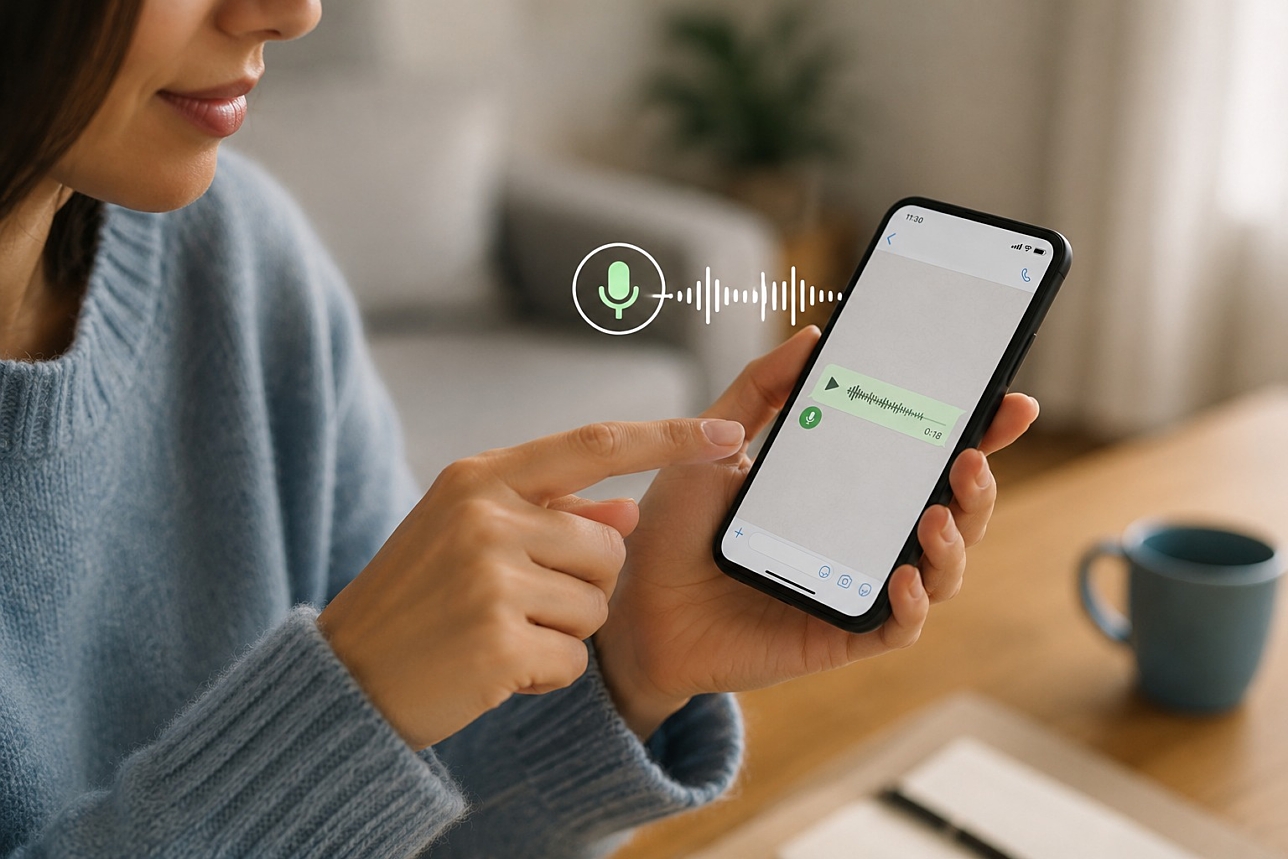
For many younger smartphone users, voice notes are simply part of how conversations happen. They allow people to tell stories with personality, react immediately and share details that might feel awkward or time-consuming to type. A voice message can be quick and practical, but it can also become a miniature podcast sent to one close friend. This flexibility is one reason voice messaging fits so naturally into modern communication habits.
Staying Connected Still Depends On Mobile Access
However people choose to communicate, voice messages still depend on mobile connectivity. Sending and downloading voice notes requires access to mobile data or Wi-Fi, and running out of prepaid credit or data can interrupt conversations unexpectedly. For people who rely on prepaid mobile services, maintaining access to airtime and data helps ensure that everyday communication can continue without unnecessary interruptions. Platforms like Mitti make it possible to send international mobile top-ups directly to a phone number, helping friends and family restore access to mobile credit or data when they need it. Whether someone is sending a voice note, making a call or simply checking in with family, reliable mobile connectivity keeps those everyday conversations moving.
The popularity of voice notes reflects a broader shift in digital communication. People want convenience, but they also want communication to feel human. Hearing a familiar voice can provide reassurance, make someone laugh or turn an ordinary update into a meaningful moment. Voice notes may seem like a small feature on a smartphone, but they have changed the rhythm of everyday communication. They allow conversations to continue across busy schedules, long distances and different time zones, proving that sometimes the easiest way to feel close to someone is simply to hear their voice.