

With governments increasingly encouraging households to prepare for emergencies, having a plan for a possible power outage is a sensible precaution. Your phone can be one of your most useful tools during a disruption, but only if it still has power and access to a mobile network. A few simple preparations can help you keep your phone working during a blackout and stay reachable when normal routines are disrupted.
Prepare Before The Power Goes Out
The best time to prepare for a power outage is before one happens. Recent events around the world have made emergency preparedness a more common topic, while power disruptions can also be caused by severe weather, technical failures, accidents or problems with energy infrastructure. Many emergency preparedness guidelines recommend keeping essential supplies ready for several days, and your phone setup should be part of that plan. Check which devices, cables and charging options you have at home and keep them together in an accessible place. The Ready.gov emergency kit guide is a useful starting point for building a broader household emergency kit.
Keep Power Banks Charged And Ready
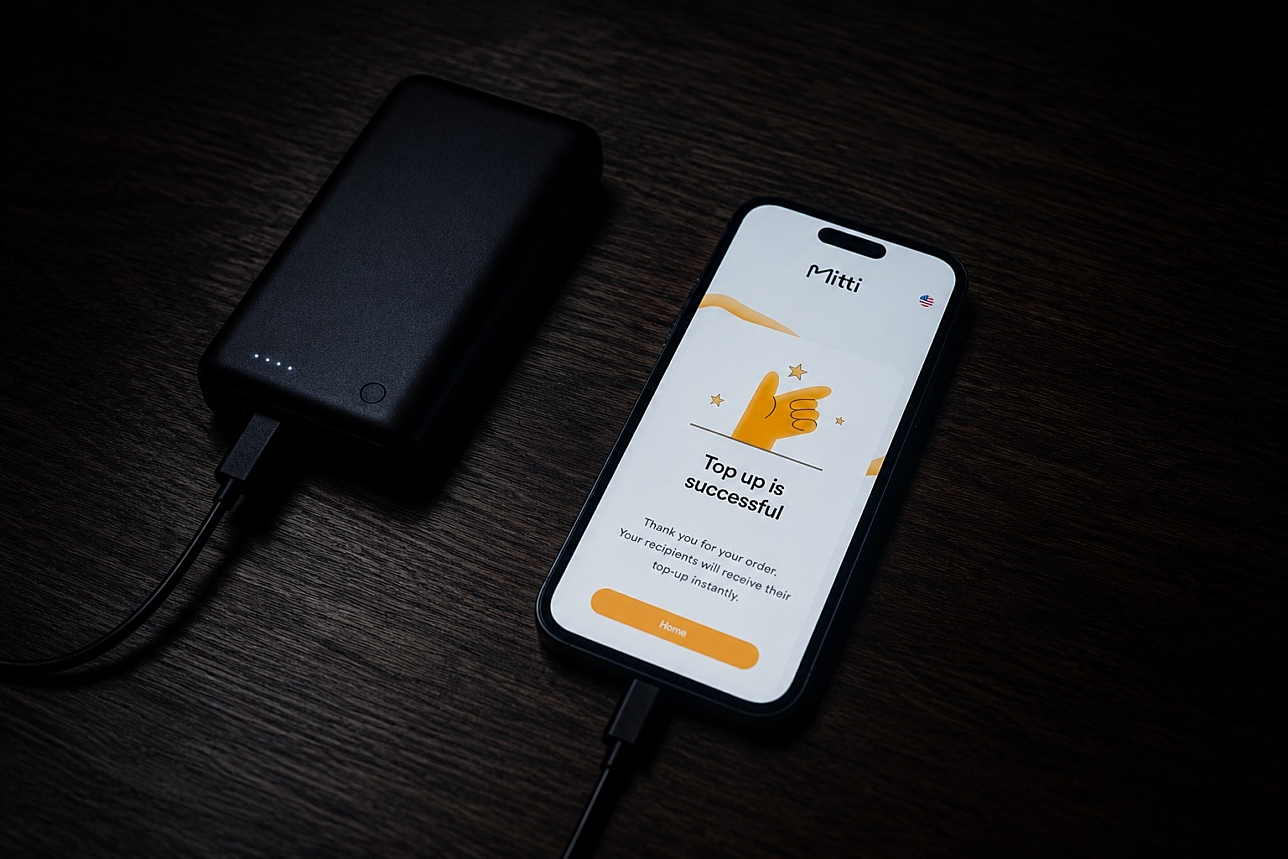
A power bank is one of the simplest ways to keep a phone running when wall sockets are unavailable. However, it is only useful if it is charged. Keep at least one reliable power bank topped up and check its charge level regularly, especially if it has been sitting unused in a drawer. Larger-capacity models can recharge a phone several times, while smaller ones are useful for an emergency bag. Do not forget to store the correct charging cables alongside them, as a full battery pack is no help if you cannot connect it to your device.
Use Battery-Saving Settings Early
Do not wait until your phone reaches five percent before trying to save power. As soon as an outage begins, activate Low Power Mode on an iPhone or Battery Saver on an Android device. Lower the screen brightness, shorten the screen timeout and switch off features such as Bluetooth, location services and background app refresh when you do not need them. Avoid streaming video, gaming and constantly refreshing social media. Small changes in how you use your phone can significantly extend the time between charges.
Download Important Information For Offline Use
A charged phone is useful, but many apps become limited when internet access is unavailable. Download important information before an emergency happens. This can include offline maps of your local area, important documents, travel information and contact details. It is also useful to take screenshots of information you may need quickly, such as insurance details, meeting points or instructions. Remember that a phone should not be your only storage place for critical information: keeping important phone numbers and key details on paper is a sensible backup if your battery eventually runs out.
Build A Simple 72-Hour Emergency Kit
Phone preparation works best as part of a wider emergency plan. A basic emergency kit can include drinking water, non-perishable food, medication, a first-aid kit, a torch, spare batteries, cash, a battery-powered or wind-up radio, charging cables and power banks. Store everything somewhere easy to reach and review the contents regularly. You do not need to build an elaborate survival setup overnight; starting with the essentials you already own and gradually filling the gaps is a practical way to prepare.
Do Not Rely On Wi-Fi Alone
Home Wi-Fi usually depends on electricity, which means your router may stop working during a power outage even if the wider internet infrastructure is still available. Mobile data can therefore become especially important. Check that you know how to switch from Wi-Fi to mobile data and consider which apps you actually need to use. Mobile networks can also become congested during major disruptions, so use data thoughtfully and remember that text messages may sometimes be more practical than repeated calls or video chats.
Make Sure Prepaid Phones Have Mobile Credit
For people using prepaid mobile services, a charged phone alone may not be enough. If the number has no remaining balance, access to calls, texts or mobile data may be limited depending on the provider and plan. This is worth checking in advance, especially for children, older relatives or family members living abroad. With Mitti, mobile credit can be sent directly to supported prepaid numbers around the world. Keeping important prepaid numbers topped up before a disruption is a simple part of a wider communication plan.
Create A Family Communication Plan
Agree in advance on how your household or family will communicate if power or internet access is disrupted. Choose an out-of-area contact who can help relay information, decide on a physical meeting point and make sure everyone knows the most important phone numbers. If you have relatives who live alone, discuss how and when you will check in with them. A clear plan can prevent everyone from repeatedly calling each other, which wastes battery power and can add unnecessary confusion during a disruption.
Keep Alternative Charging Options In Mind
Power banks are the easiest backup for most people, but they are not the only option. Depending on your situation, a car charger can provide an additional way to charge a phone, while portable solar chargers may be useful during longer disruptions when conditions allow. If you own multiple devices, prioritise the phone that contains essential contacts and information instead of trying to keep every tablet, smartwatch and wireless accessory fully charged. The goal is to preserve communication for as long as possible.
A Little Preparation Can Make A Big Difference
A power outage does not have to become a communication crisis. Keeping power banks charged, reducing unnecessary battery use, downloading important information and making sure prepaid phones have enough mobile credit are all simple measures that can be taken in advance. Combined with a basic emergency kit and a clear family communication plan, these steps can help you stay informed and reachable during an unexpected disruption. Preparing now is much easier than trying to solve everything once the lights are already out.